When’s the Best Time to Mulch?
Getting the timing right really changes how your garden looks and feels—stronger plants, better soil, fewer problems.
The short answer? 1: You want to mulch twice a year: once in early spring and again in mid-autumn. Each time has its own function..
Early Spring
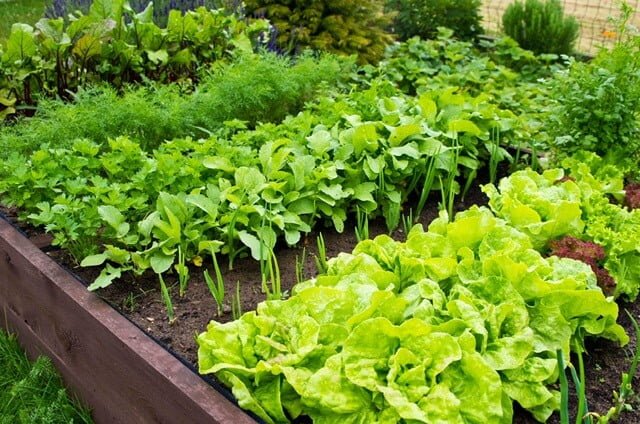
Think of early spring mulch as a head start for your garden. As the ground starts to warm up and plants rub the sleep from their eyes, spreading a fresh layer of mulch keeps the soil moist, so you’re not constantly out there with the watering can. It also stops weeds before they get a chance to crowd out your flowers and veggies, just as everything’s getting going. Plus, mulch acts like a buffer for the roots, stopping them from overheating when the first warm days hit.
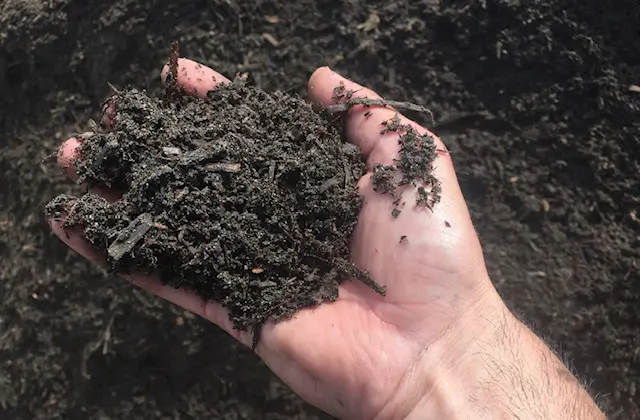
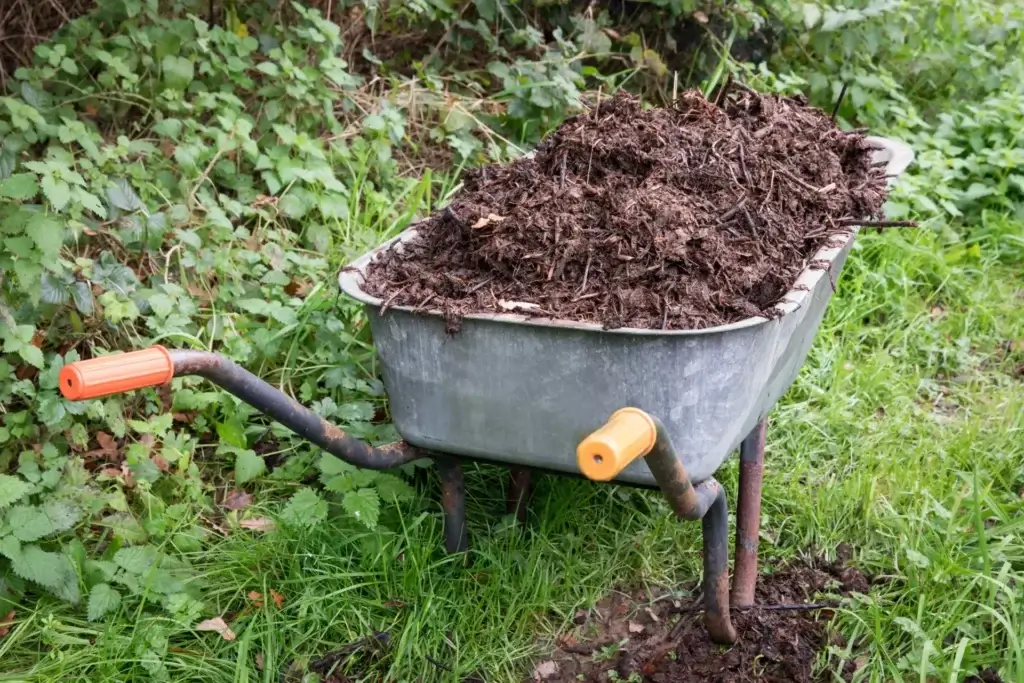
Wait until the soil isn’t so cold anymore but before everything explodes into new growth. Lay down a 5-10 cm layer of something organic—compost, shredded bark, straw, or leaf mold. Keep it a few centimetres away from stems and trunks—you don’t want rot or pests moving in. As the season rolls on, the mulch breaks down, feeding the earth and making the soil better for next year.
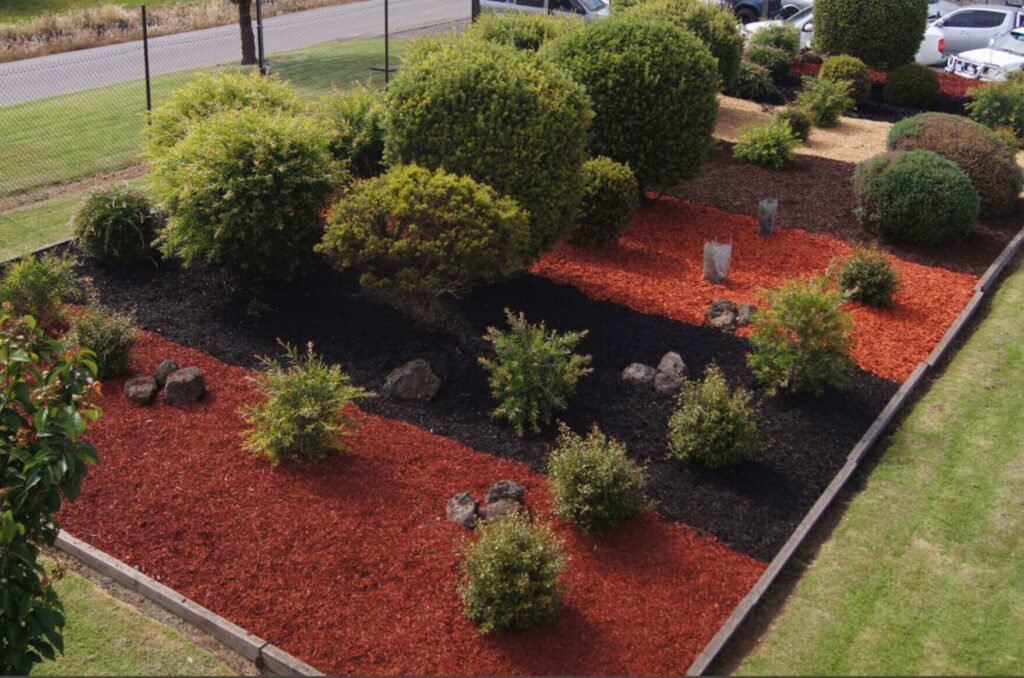
Cath Kennedy is a gardening enthusiast of over 25 years. Cath says, “A layer as little as 5cm will allow water to drain through the mulch into the soil.” “Choices as Pine Bark, or naturally dyed mulches are a great choice for both established gardens, trees and new garden beds.”
Mid-Autumn
Now, for mid-Autumn. This round of mulching is more about protection. As the nights get longer and things cool off, add a slightly thicker layer—about 5-10cms . This insulates roots, stops the soil from freezing and thawing so much (which can push shallow-rooted plants right out of the ground), and keeps all those good microbes in the soil safe. Autumn mulch also holds in moisture during dry spells and guards against erosion when winter storms roll through.
Aim to mulch after the soil’s cooled down but before the frosts—usually sometime between late April and early May, depending on where you live. Go for materials that break down slowly and insulate well, like chunky wood chips or shredded bark. Don’t mulch too early in Autumn, or you’ll keep the soil warm too long and mess with the plants’ natural cycle. And always keep mulch away from trunks and stems—nobody wants vermin.
Bringing It All Together
When is the best time to mulch
Mulching in both early spring and mid-autumn keeps your garden humming all year. Spring mulch jumpstarts growth and saves water; autumn mulch shields everything through winter. Tweak the timing and thickness to suit your weather and plants, and you’ll see the difference.
Before mulching
1: Water the soil well and remove weeds
2: Keep mulch away from tree trunks or plant stems to avoid disease and plant rot
3: Apply weed mat or layers of paper or cardboard to suppress weed growth.
4: Apply between 5-10 cm of mulch for optimal results.
5: Top up your mulch anytime
6: Remember to use the right mulch for your gardenright mulch for your garden
Call in at Kennedys Cranbourne to see our full range of mulches and speak to our knowledgeable staff regarding your landscape garden project.
Deliveries can be made to Berwick, Clyde, Cranbourne, Botanic Ridge, Tooradin and surrounding suburbs. Ask about free delivery to local and zone 1 suburbs. Conditions apply.